
 fr
fr
 English
 Français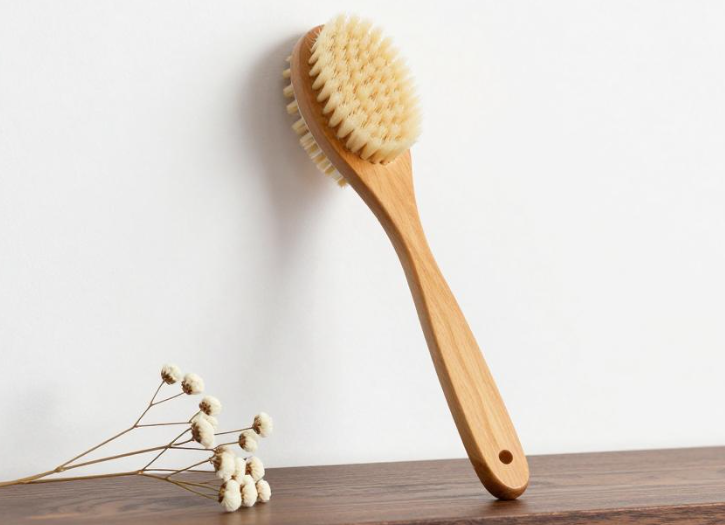
Content
- 1 Wooden Bath Brush Buying Guide: The Direct Answer
- 2 What Is a Wooden Bath Brush and How Does It Differ From a Body Brush
- 3 Wood vs Plastic Bath Brushes: Key Differences Retailers Should Know
- 4 Why Eco Friendly and Sustainable Bath Brushes Are Gaining Shelf Space
- 5 Wood and Bristle Material Options for a Retail Assortment
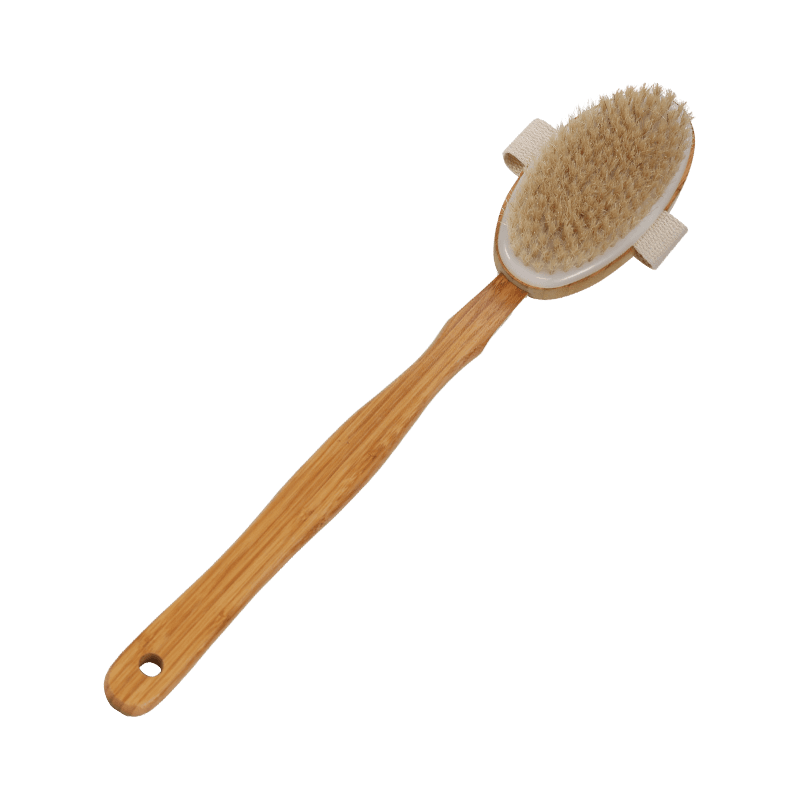
- 6 Anatomy of a Wooden Bath Brush Retailers Should Inspect
- 7 Wood vs Plastic Bath Brush Performance Snapshot
- 8 Wet Bathing Use Versus Dry Brushing Use
- 9 Buying Checklist for Retailers and Distributors
- 10 Retail and Distribution Channels for Wooden Bath Brushes
- 11 About Ningbo Kafete Daily Necessities Co., Ltd.
- 12 Frequently Asked Questions About Wooden Bath Brushes
- 12.1 Q1. What is a wooden bath brush
- 12.2 Q2. What is a wooden body brush used for
- 12.3 Q3. What is the difference between a bath brush and a body brush
- 12.4 Q4. What is a dry body brush
- 12.5 Q5. Can you use a wooden bath brush for dry brushing
- 12.6 Q6. How do you use a wooden bath brush
- 12.7 Q7. How do you use a dry body brush
- 12.8 Q8. Should you use a body brush wet or dry
- 12.9 Q9. Do you use a dry brush before or after showering
- 12.10 Q10. How often should you dry brush your body
Wooden Bath Brush Buying Guide: The Direct Answer
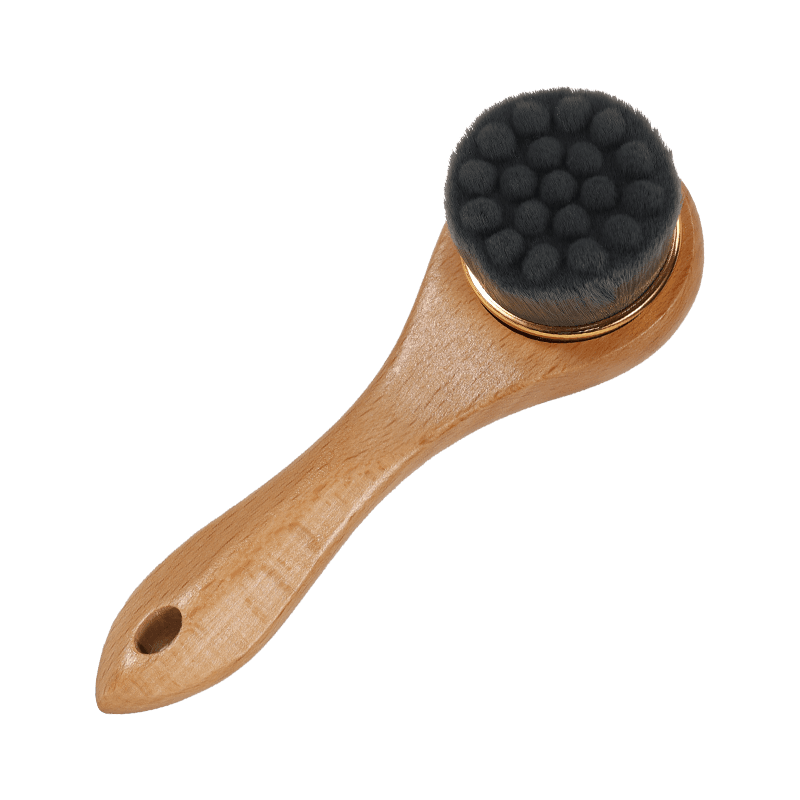
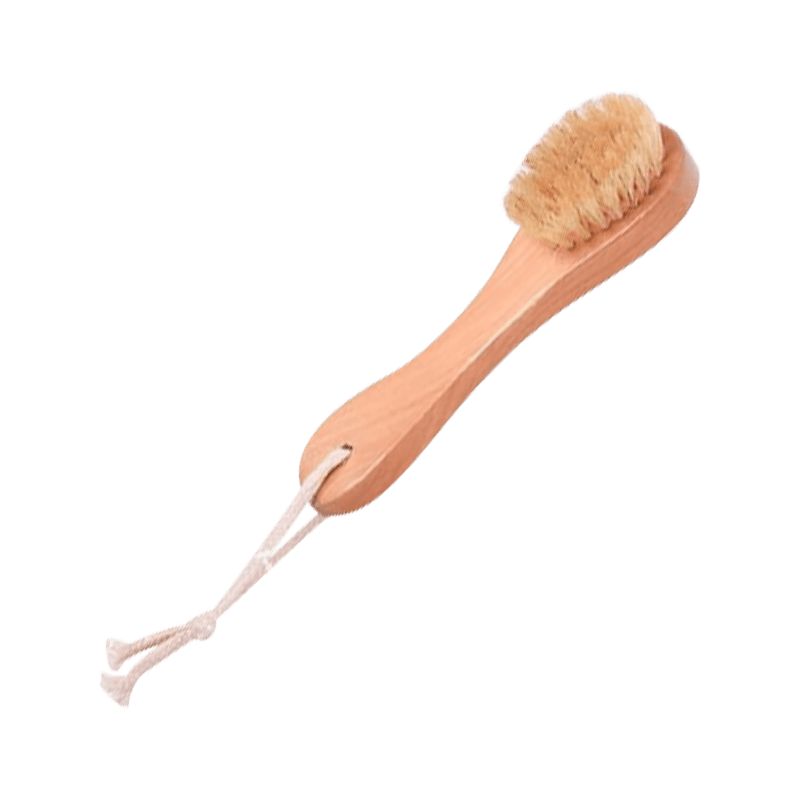
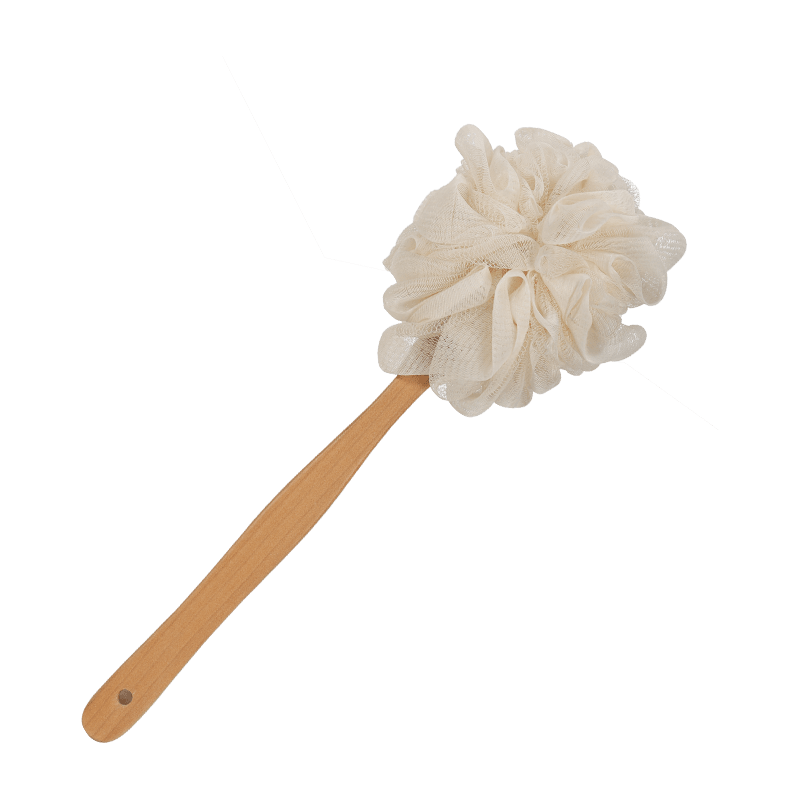
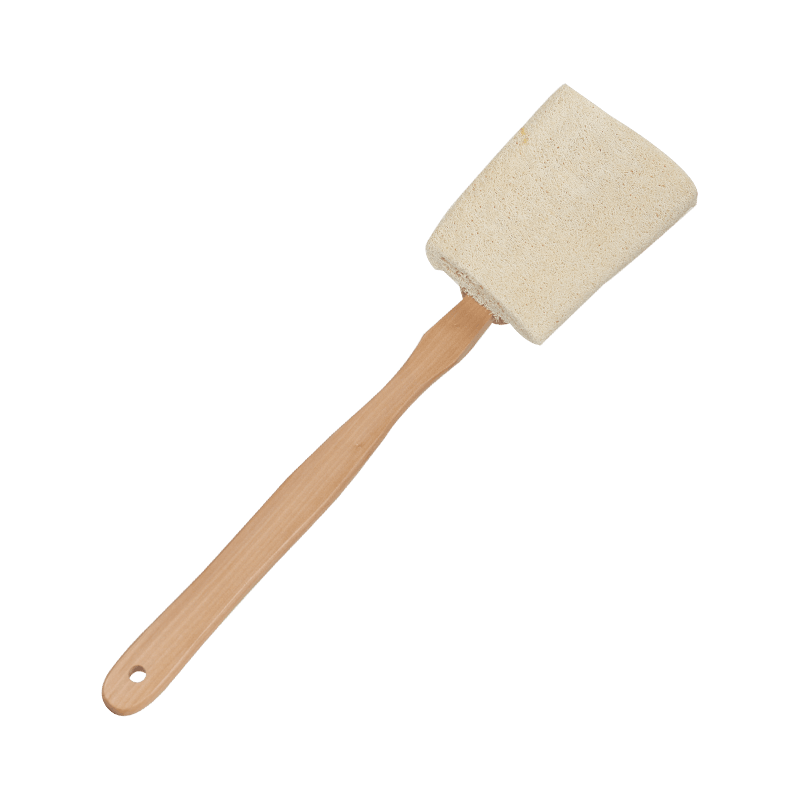
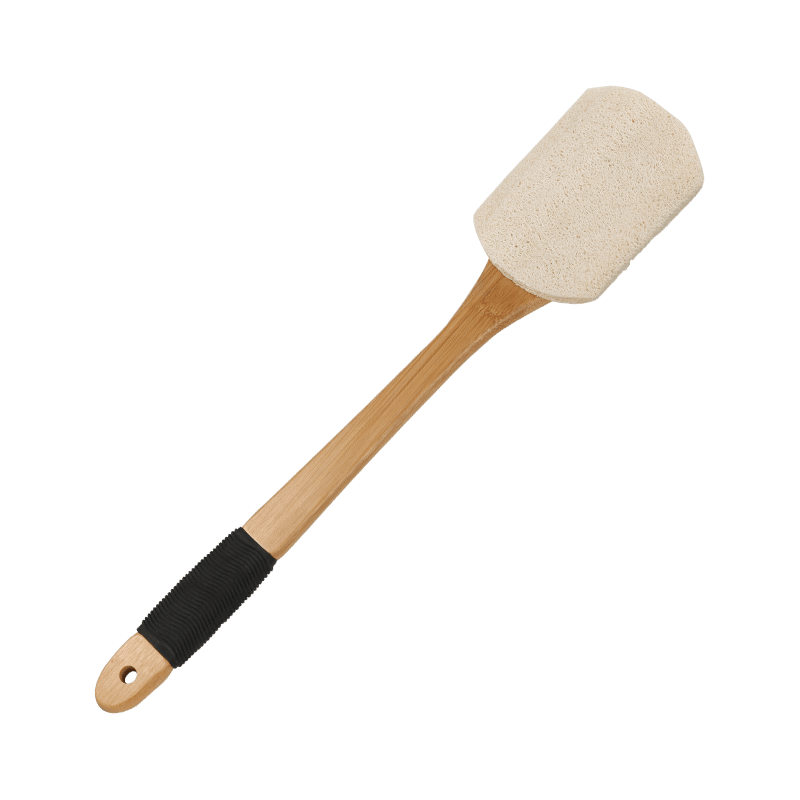
For retailers and distributors evaluating a wooden bath brush program, the short answer is this: prioritize suppliers that offer a solid, properly sealed wood handle, securely tufted natural or plant-fiber bristles, a rounded and splinter-free finish, and a design that clearly supports either wet bathing use or dry brushing use, since these two use cases attract different customer intent and different shelf placement. A well-made wooden bath brush should feel balanced in the hand, resist warping in humid bathroom conditions, and hold its bristles firmly through repeated water contact.
The sections below break down wood and bristle material choices, structural details buyers should inspect, wet-use versus dry-brushing design differences, and a practical checklist for building a reliable wholesale assortment.
What Is a Wooden Bath Brush and How Does It Differ From a Body Brush
A wooden bath brush is a personal care tool built around a shaped wood handle and a bristle head, used to cleanse the skin, lift away dead surface cells, and encourage light surface stimulation during or after bathing. The category overlaps closely with the body brush category, and shoppers frequently search both terms when comparing options, so retailers benefit from stocking product listings that speak to both a natural wooden body brush and a wooden bath brush audience under consistent product naming.
Bath Brush Versus Body Brush Versus Dry Brush
In practical retail terms, a bath brush is generally associated with wet, in-shower or in-tub use alongside soap or body wash, often featuring a longer handle to reach the back and shoulders. A body brush covers a broader category that includes both wet-use and dry-use tools, typically with a flatter, hand-held head shape. A dry body brush is a specific design intended for use on completely dry skin before bathing, usually with firmer natural bristles and no handle extension, since it is worked directly across the arms, legs, and torso in short strokes.
Where a Wooden Handle Fits Into This Category
Wood is chosen over other handle materials mainly for grip feel, weight balance, and the tactile, natural-material positioning that resonates with shoppers actively looking for a sustainable bath brush or an eco friendly body brush rather than a fully synthetic alternative.
Wood vs Plastic Bath Brushes: Key Differences Retailers Should Know
When buyers compare Wood vs Plastic Bath Brushes for a retail assortment, the decision usually comes down to material feel, end-of-life disposal, and how the product fits a store's broader sustainability positioning. The chart below presents a general, illustrative comparison across attributes commonly discussed in personal care retail sourcing, rather than a single measured data set.
Figure 1. Illustrative relative comparison of wood and plastic bath brush attributes, based on general material characteristics rather than a single test source.
| Attribute | Plastic Bath Brush | Wooden Bath Brush |
|---|---|---|
| Handle Feel | Smooth, uniform | Warmer, natural grain texture |
| End of Life | Non biodegradable | Wood component is biodegradable |
| Typical Positioning | Value focused | Eco friendly bath brush positioning |
| Common Retail Channel | Mass market bath aisle | Wellness, spa, natural living sections |
Why Eco Friendly and Sustainable Bath Brushes Are Gaining Shelf Space
Personal care retailers have steadily expanded natural and plant-based grooming sections in recent years, and a sustainable bath brush fits naturally into that shift alongside bamboo toothbrushes, loofah sponges, and plant-fiber scrubbers. Shoppers searching for a sustainable body brush or an eco friendly bath brush are typically also comparing packaging, since a wood-and-natural-fiber product pairs well with recyclable or plastic-reduced packaging formats that many wellness retailers now prefer to feature near checkout and gift sections.
Figure 2. Illustrative shopper interest trend for natural and sustainable bath and body tools, general directional pattern only.
Retailers positioning a natural wooden body brush alongside other plant-based bathroom tools often report that cross-merchandising with reusable cotton rounds, konjac sponges, and bamboo accessories helps customers see the wooden bath brush as part of a broader natural bathroom routine rather than a single standalone item.
Wood and Bristle Material Options for a Retail Assortment
Common Handle Wood Choices
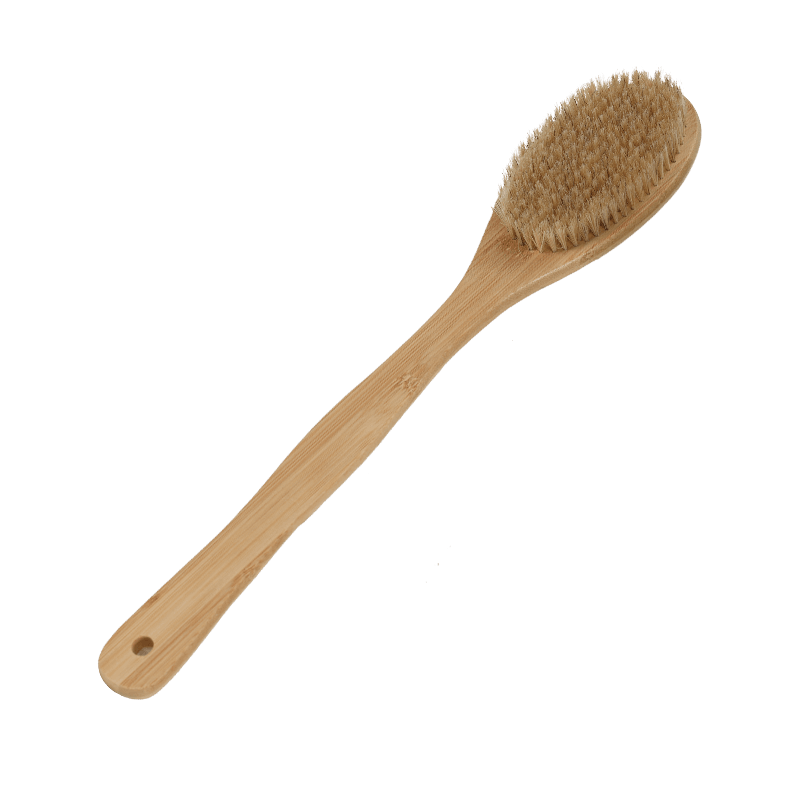
Handle wood selection affects weight, water resistance, and shelf appeal. Beechwood is widely used for its tight grain and smooth finish, bamboo is popular for its fast-renewing growth cycle and light weight, and rubberwood is often chosen as a byproduct material from latex production that offers a dense, stable grain. Each of these options can support a natural wooden body brush line, and distributors often stock more than one wood type to serve different price tiers and finish preferences.
Bristle Material Choices
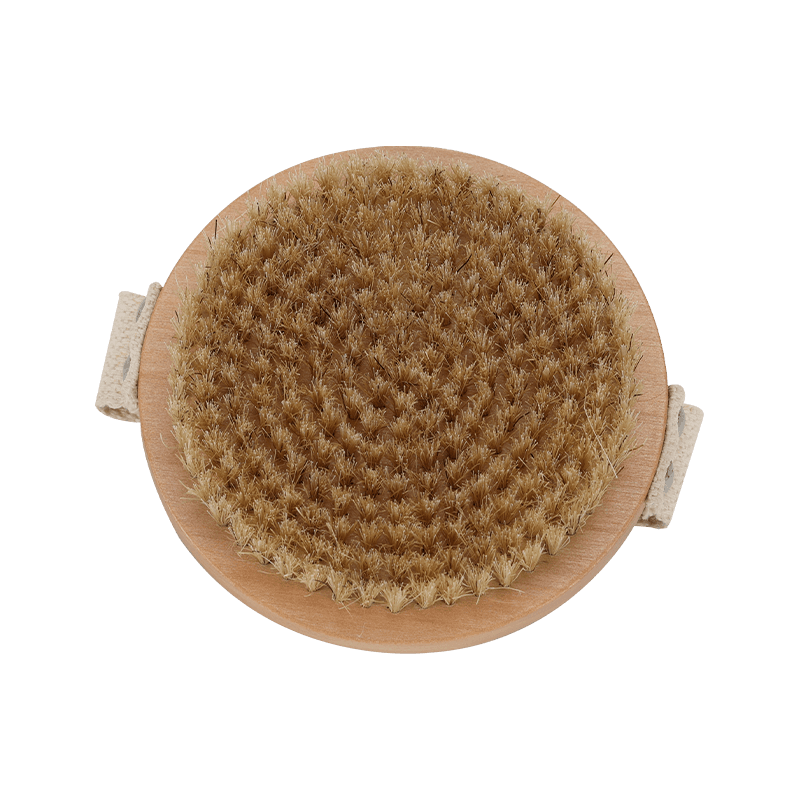
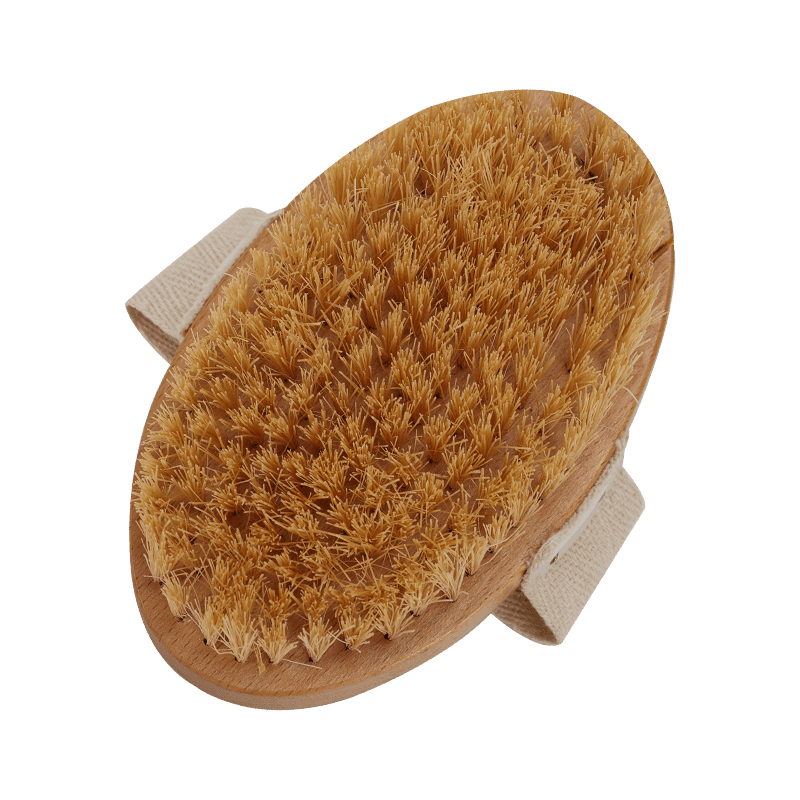
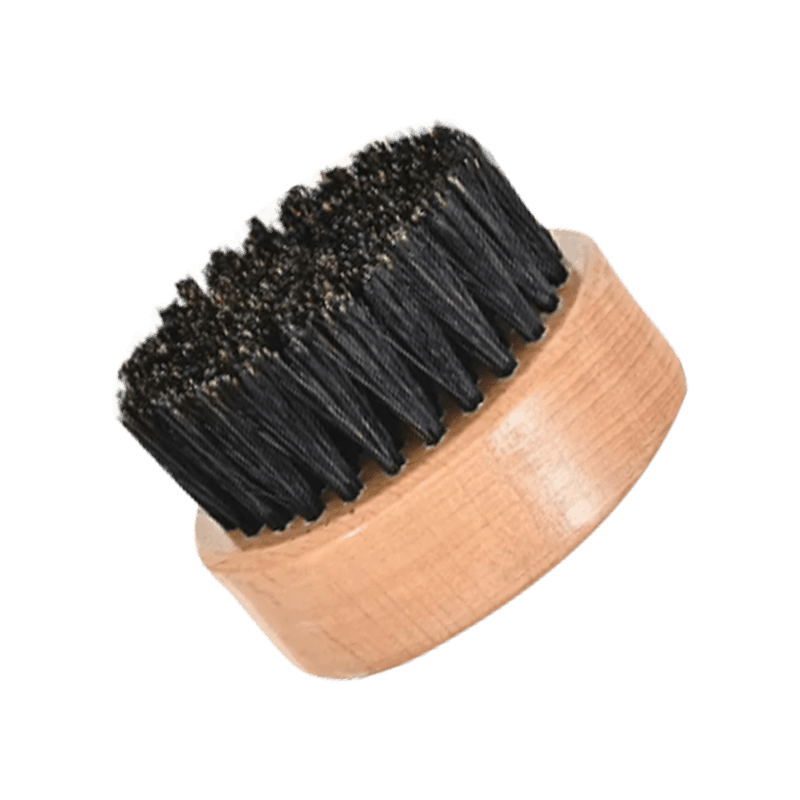
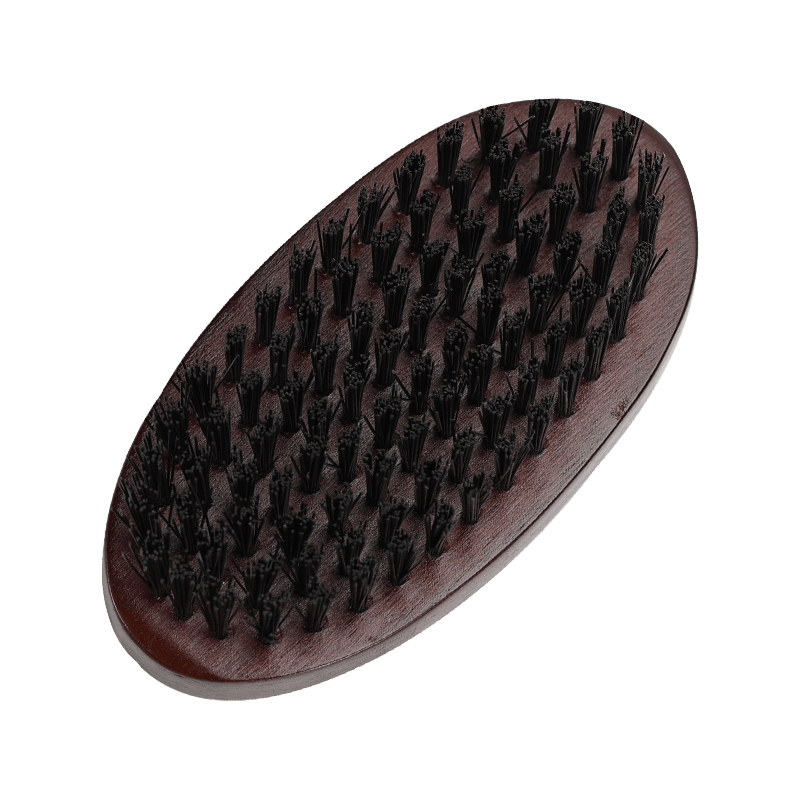
Natural boar bristle is associated with a firmer, more textured feel suited to a wooden body brush for exfoliation, while plant-based sisal or agave fiber offers a slightly softer, more consistent texture that some retailers position for a wooden body brush for dry skin. Firmness should be clearly labeled on packaging, since customer expectations around a firm exfoliating feel versus a gentle daily-use feel differ significantly.
Figure 3. Illustrative relative firmness positioning of common natural bristle materials used in wooden bath brushes.
| Wood Type | Typical Feel | Common Retail Use |
|---|---|---|
| Beechwood | Smooth, tight grain | Mid to premium tier bath brushes |
| Bamboo | Light, fast renewing | Sustainable bath brush lines |
| Rubberwood | Dense, stable | Everyday value assortments |
Anatomy of a Wooden Bath Brush Retailers Should Inspect
Before finalizing a wholesale order, buyers should review a sample unit against the structural checkpoints shown below, since handle shaping and bristle attachment method are the most common sources of quality variation between suppliers.
Figure 4. Simplified structural illustration of a typical wooden bath brush.
- Rounded, fully sanded handle edges with no raised grain or splinters
- A sealed or lightly oiled wood finish that resists water absorption over repeated use
- Bristles anchored through drilled holes rather than surface glued alone, for better retention
- An optional wrist strap or hanging hole to support bathroom storage and air drying
- Even bristle trimming across the head for consistent skin contact
Wood vs Plastic Bath Brush Performance Snapshot
The radar chart below places wood and plastic bath brushes side by side across five dimensions commonly discussed by retail buyers, presented as an illustrative relative comparison rather than certified test results.
Figure 5. Illustrative relative comparison across five buyer-relevant dimensions.
Wet Bathing Use Versus Dry Brushing Use
Using a Wooden Bath Brush in the Shower or Tub
For wet-use routines, the brush head is typically dampened along with soap or body wash, then moved in gentle circular or sweeping motions across the arms, legs, back, and torso, followed by a full rinse and air drying of the brush itself in a ventilated spot. This is the most common setup for a wooden bath brush aimed at everyday cleansing rather than exfoliation alone.
Using a Wooden Bath Brush for Dry Brushing
Dry brushing routines call for completely dry skin and a completely dry brush head, worked in short upward strokes starting from the feet and moving toward the torso, generally performed before bathing rather than after, since any residual moisture on the skin changes how the bristles glide. A wooden bath brush for dry brushing typically pairs a firmer natural bristle with a design intended to stay dry between uses, which is why retailers often list dry-brushing models separately from wet-use models even when the handle material is the same.
Recommended Frequency
Many wellness guides suggest working dry brushing into a routine a few times per week rather than daily, allowing the skin surface time to recover between sessions, and retailers can pass this general guidance along on packaging or product descriptions to help first-time buyers set realistic expectations.
| Use Case | Skin Condition | Typical Bristle Firmness |
|---|---|---|
| Wet Bathing | Damp, with soap | Soft to medium |
| Dry Brushing | Completely dry | Medium to firm |
| Exfoliation Focus | Dry or lightly damp | Firm |
Retail and Distribution Channels for Wooden Bath Brushes
A wooden bath brush assortment tends to perform well across several distinct retail contexts, each with slightly different customer expectations.
Where Demand Is Strongest
- Natural living and wellness retail sections alongside other plant-based bathroom tools
- Spa and massage studios offering retail add-on products for home use
- Gift sets paired with soap bars, bath salts, or natural sponges
- Home goods and bathroom accessory sections in general retail stores
- Online marketplaces targeting a sustainable body brush or wooden body brush for exfoliation search audience
How Product Descriptions Should Speak to Different Shoppers
A single product line can serve multiple shopper intents when descriptions are written clearly. A listing framed around a wooden body brush for dry skin should mention gentle daily use and moisture-focused skin routines, while a listing framed around a wooden body brush for dead skin should emphasize firmer bristle exfoliation and pre-shower dry brushing steps. Keeping these distinctions clear in product copy helps reduce returns caused by mismatched firmness expectations.
About Ningbo Kafete Daily Necessities Co., Ltd.
Ningbo Kafete Daily Necessities Co., Ltd. was established in 2017 and is located in Cixi, Zhejiang, China. The company specializes in the research and development, production, and sales of bath brushes, general brushes, other wood and plastic brush products, massagers, and related bath and beauty items. Products from the company have been exported to more than 40 countries, with core markets across the United States, Europe, and Japan. As a wood bath brush supplier and bamboo bath brush company, Ningbo Kafete Daily Necessities Co., Ltd. supports global retailers and distributors with consistent product quality and a full-service approach to wholesale partnerships.
Frequently Asked Questions About Wooden Bath Brushes
-
Q1. What is a wooden bath brush
A wooden bath brush is a personal care tool with a shaped wood handle and a bristle head, used during bathing to cleanse the skin, encourage light exfoliation, and support surface stimulation while washing.
-
Q2. What is a wooden body brush used for
A wooden body brush is used to cleanse and lightly exfoliate the skin across the arms, legs, back, and torso, and depending on the bristle firmness it can support either a gentle daily wash routine or a firmer exfoliation routine.
-
Q3. What is the difference between a bath brush and a body brush
A bath brush is generally designed for wet, in-shower use and often has a longer handle for reaching the back, while a body brush is a broader category that includes both wet-use and dry-use designs with a more compact, hand-held head.
-
Q4. What is a dry body brush
A dry body brush is designed for use on completely dry skin, typically before bathing, using short upward strokes rather than the circular soap-and-water motion associated with wet bathing tools.
-
Q5. Can you use a wooden bath brush for dry brushing
Some wooden bath brush designs can support light dry brushing if the bristles are firm enough and the brush is kept fully dry between sessions, though many buyers prefer a dedicated wooden bath brush for dry brushing built specifically for that firmer, water-free routine.
-
Q6. How do you use a wooden bath brush
For wet use, dampen the brush with soap or body wash and move it in gentle circular or sweeping strokes across the skin, then rinse the brush and allow it to air dry fully before storing it in a ventilated spot.
-
Q7. How do you use a dry body brush
Work the brush in short upward strokes starting at the feet and moving toward the torso on completely dry skin, applying light to moderate pressure and avoiding any single area for too long in one session.
-
Q8. Should you use a body brush wet or dry
This depends on the intended routine, since a wet body brush is typically paired with soap for daily cleansing, while a dry body brush is used without water for a firmer exfoliation focus, and the bristle firmness on the product usually indicates which use it was designed for.
-
Q9. Do you use a dry brush before or after showering
Dry brushing is generally done before showering, since the routine is designed for completely dry skin and is typically followed by a rinse to remove any loosened surface skin cells.
-
Q10. How often should you dry brush your body
Many wellness routines suggest a few sessions per week rather than daily use, allowing the skin time to recover between sessions, though frequency can be adjusted based on individual skin sensitivity.